Choosing the right fiber laser power is not simply about buying the highest wattage. The best option depends on the materials you cut, common plate thickness, required cutting speed, edge quality and daily production volume.
A 1.5 kW machine may be suitable for thin sheet metal, while 12 kW to 30 kW systems are generally considered for higher-volume production and thicker plates. This guide provides a practical comparison to help you make the right decision.
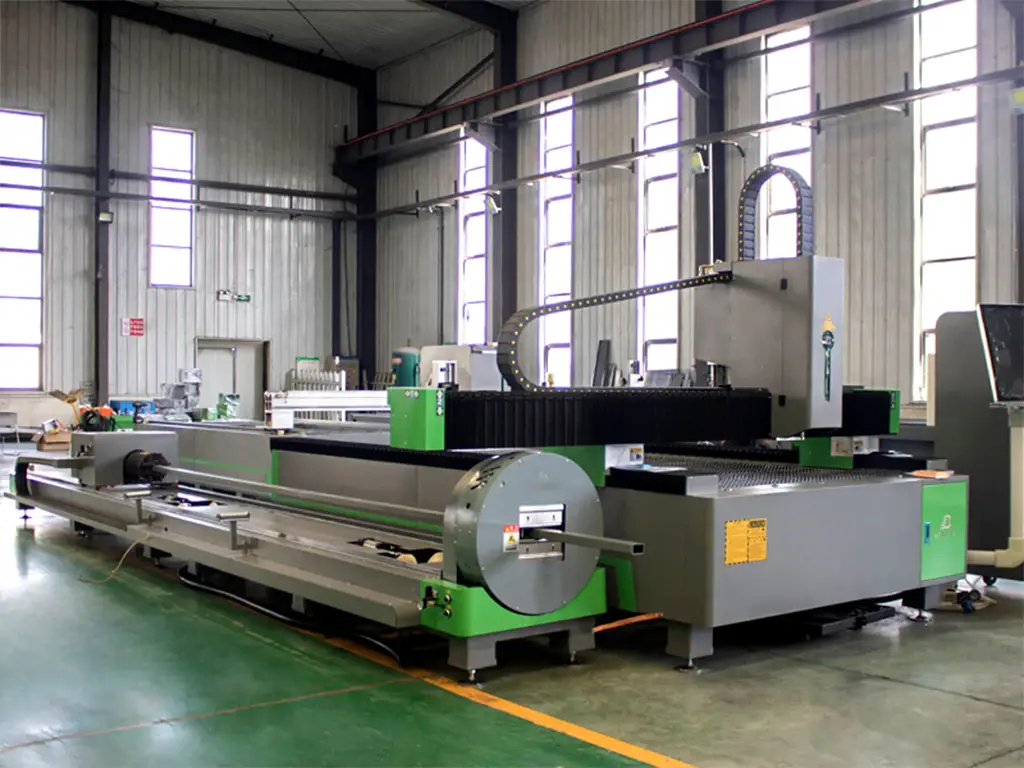
Fiber Laser Power Comparison
| Laser Power | General Application | Suitable Users |
|---|---|---|
| 1.5 kW | Thin sheet-metal cutting | Small workshops and light fabrication |
| 3 kW | Thin and medium sheets | General metal fabrication companies |
| 6 kW | Faster medium-sheet processing | Growing production facilities |
| 12 kW | Medium and thick plate cutting | Industrial manufacturers |
| 20 kW | High-volume thick plate processing | Heavy fabrication companies |
| 30 kW | Demanding industrial production | Steel service centers and large factories |
These recommendations are general references. Actual cutting capacity depends on the material grade, assist gas, cutting head, machine configuration and required edge quality.
1.5 kW Fiber Laser Cutting Machine
A 1.5 kW fiber laser is generally suitable for businesses mainly processing thin carbon steel, stainless steel and compatible sheet metals.
Common applications include:
- Advertising signs
- Electrical cabinets
- Metal doors and windows
- Kitchen equipment
- Decorative metal products
- Light sheet-metal parts
It can be a practical entry-level choice when production volume is moderate and thick plate is not a regular requirement.
3 kW Fiber Laser Cutting Machine
A 3 kW machine offers greater flexibility across thin and medium sheets. It is suitable for companies that process different materials and need higher productivity than an entry-level machine can provide.
Common applications include:
- Metal furniture
- Electrical enclosures
- Agricultural equipment parts
- Automotive components
- Stainless steel products
- General metal fabrication
For many growing workshops, 3 kW provides a useful balance between investment, versatility and production capacity.
6 kW Fiber Laser Cutting Machine
A 6 kW fiber laser is designed for faster processing and more demanding production. It may be suitable for manufacturers that regularly cut medium-thickness sheets or produce large batches of parts.
Typical applications include:
- Construction machinery
- Agricultural machinery
- Equipment housings
- Structural components
- Contract laser-cutting services
When choosing a 6 kW machine, buyers should also evaluate the cutting head, water chiller, machine bed, assist-gas supply and dust extraction system.
12 kW Fiber Laser Cutting Machine
A 12 kW machine is generally considered for industrial production involving medium and thick plates. Its main advantage is higher productivity when processing suitable materials.
Potential applications include:
- Heavy machinery
- Construction equipment
- Steel structures
- Energy equipment
- Shipbuilding-related components
- High-volume contract cutting
An exchange table or automatic loading system may help reduce waiting time and make better use of the available laser power.
20 kW and 30 kW Fiber Laser Cutting Machines
Machines in the 20 kW to 30 kW range are intended for demanding industrial production. They may be suitable for manufacturers that regularly process thick plates or require continuous high-volume operation.
Typical users include:
- Heavy fabrication companies
- Steel processing centers
- Shipbuilding manufacturers
- Mining equipment manufacturers
- Infrastructure equipment producers
These machines require suitable electrical capacity, cooling, gas supply, dust extraction and material-handling systems. Buyers should evaluate the total operating cost instead of comparing only the laser-source power.
How Material Type Affects Power Selection
Different metals respond differently to fiber laser cutting.
Carbon Steel
Carbon steel can be processed with oxygen, nitrogen or compressed air, depending on the thickness and required edge condition.
Stainless Steel
Nitrogen is often considered when a clean, oxide-free edge is required. Gas consumption should be included in the operating-cost calculation.
Aluminum
Aluminum conducts heat efficiently, so the alloy grade, material thickness and machine configuration can affect cutting performance.
Brass and Copper
These reflective metals require a compatible laser source and cutting head. Material compatibility should be confirmed before purchasing the machine.
Do Not Choose Power by Maximum Thickness Alone
Maximum cutting thickness does not always represent stable production performance. A machine may be able to separate a certain plate but operate slowly or produce an edge that does not meet your requirements.
Actual results can be affected by:
- Material type and grade
- Plate surface condition
- Assist-gas type and pressure
- Cutting speed
- Nozzle and focus settings
- Required edge quality
- Machine configuration
For a more reliable evaluation, request a cutting test using your own material, thickness and drawing.
How to Choose the Right Fiber Laser Power
Before selecting a machine, provide the following information to the manufacturer:
- Materials you need to cut
- Common and maximum thickness
- Sheet dimensions
- Daily production volume
- Required edge quality
- Available electrical supply
- Preferred loading method
- Local gas availability and cost
Choose 1.5 kW for regular thin-sheet work, 3 kW for greater flexibility, and 6 kW for higher medium-sheet productivity. Consider 12 kW, 20 kW or 30 kW when your production volume and plate thickness can justify the additional investment.
Frequently Asked Questions
Is higher laser power always better?
No. Higher power can increase productivity, but it also raises equipment and operating requirements. The selected power should match your regular orders.
What is the difference between maximum thickness and production thickness?
Maximum thickness describes what the machine may be able to cut under specific conditions. Production thickness focuses on stable cutting speed, quality and operating cost.
Can one fiber laser cut different metals?
A properly configured machine may process carbon steel, stainless steel, aluminum, brass and copper. The settings, assist gas and achievable results will vary by material.
Should I request a sample cutting test?
Yes. A sample test using your material and drawing is more useful than relying only on a general cutting-thickness chart.
Find the Right Fiber Laser Cutting Machine
The ideal fiber laser cutting machine should balance cutting capacity, speed, quality and operating cost. Power is important, but the machine bed, cutting head, control system, cooling, gas supply and after-sales support also influence long-term performance.
Send BCAMCNC your material type, thickness range, sheet size and production requirements. Our team can recommend a suitable fiber laser configuration and arrange a sample cutting evaluation.