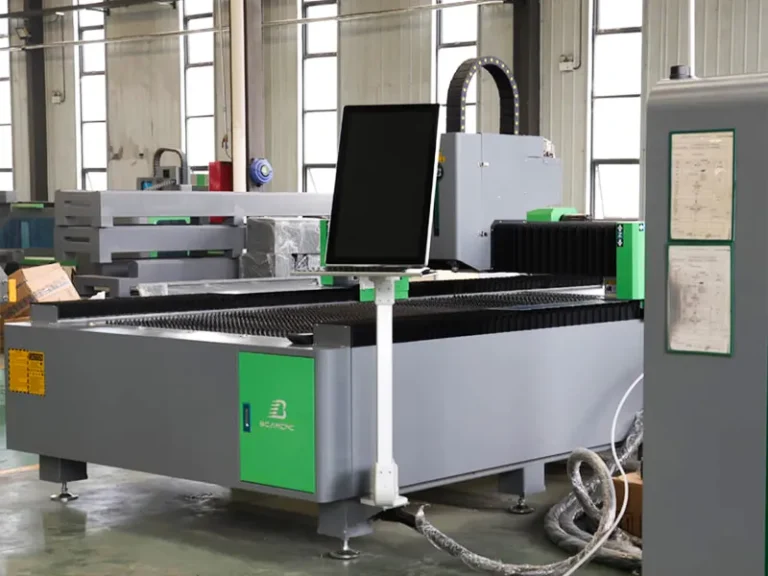
Buying a CNC router from China is usually not difficult. The problems tend to appear between the factory and the first production run.
Who books the vessel? Who handles customs clearance? Can the machine fit into a standard container? Who unloads it? Is an electrician required? What happens if the machine arrives but the operator cannot complete the first setup?
For an industrial buyer, the machine price is therefore only part of the purchasing decision. Shipping, import documentation, site preparation, installation and technical support should be clarified before the order is confirmed.
A cheaper quotation can become expensive quickly if these responsibilities are unclear.
Step 1: Confirm the Machine Before Discussing Shipping
Do not start with freight.
First confirm exactly what is being purchased.
For a CNC router, this normally means checking:
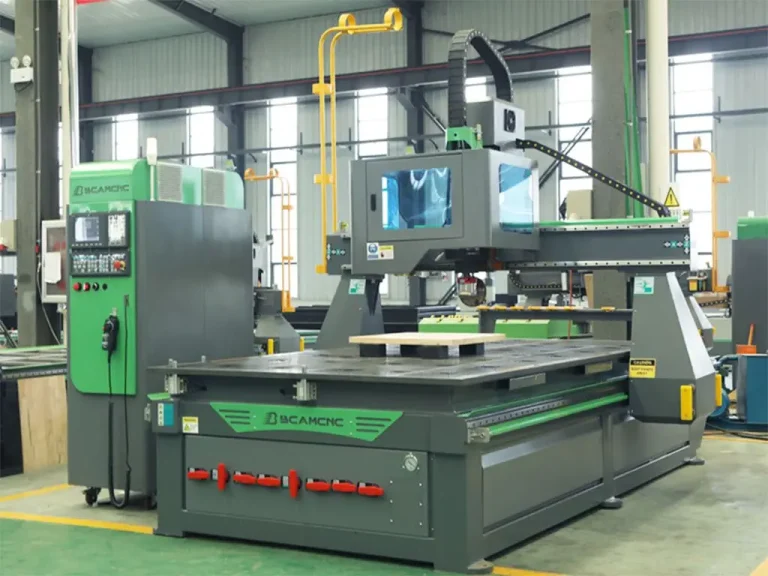
- Machine model and working area
- Spindle configuration
- CNC controller
- Tool changer, if required
- Vacuum table or other workholding system
- Dust collection requirements
- Electrical requirements
- Optional equipment
- Machine dimensions and weight
The final machine configuration affects the packing method, container selection and unloading plan.
A standard woodworking CNC router and a large 5 axis CNC router are very different logistics projects.
For larger machines, some components may need to be removed or separately packed for transportation. Buyers should therefore request the final packing dimensions and gross weight before arranging freight.
Step 2: Understand the Shipping Terms
One of the most common sources of confusion in international machinery purchasing is the Incoterm used in the quotation.
Common arrangements may include EXW, FOB, CIF or other agreed terms.
The important question is not which abbreviation looks cheaper. It is:
Where does the seller’s responsibility end, and where does the buyer’s responsibility begin?
For example, depending on the agreed Incoterm, the buyer may need to arrange some or all of the following:
- Inland transportation
- Export handling
- Ocean freight
- Marine insurance
- Destination port charges
- Customs clearance
- Import duties and taxes
- Delivery from port to factory
Before paying a deposit, ask for a clear written explanation of what is included in the quotation.
Step 3: Choose the Right Shipping Method
Most industrial CNC routers are transported by sea because of their size and weight.
Depending on the machine dimensions, shipping may involve:
Standard Container
Suitable when the packed machine fits safely within the applicable container dimensions.
Open-Top or Flat-Rack Container
May be required for oversized equipment that cannot be loaded conventionally.
Other Project Cargo Arrangements
Very large CNC equipment may require a customized logistics plan.
This is particularly relevant for large-format and long-travel 5 axis CNC routers.
Do not assume that a machine can use a standard container simply because another CNC router did. The final packed dimensions determine the shipping solution.
Step 4: Prepare the Import Documents
Customs requirements vary by destination country, but machinery shipments commonly involve documents such as:
- Commercial invoice
- Packing list
- Bill of lading
- Sales contract or related transaction documents when required
- Certificate of origin when applicable
- Product or compliance documents required by the destination market
The importer or customs broker may request additional documents depending on local regulations.
One detail deserves particular attention: the product description and customs classification.
An incorrect HS classification can affect duties, documentation requirements and customs clearance.
Do not guess the applicable HS code or import tax based only on information found online. Confirm the classification with your local customs broker or relevant authority before shipment.
Step 5: Calculate the Cost Beyond the Machine Price
Suppose Supplier A offers a lower machine price than Supplier B.
That does not necessarily mean the final landed cost is lower.
A realistic import budget should consider:
| Cost Area | What to Check |
|---|---|
| Machine | Configuration and optional equipment |
| Packing | Export packing and protection |
| China logistics | Factory-to-port transportation if applicable |
| Ocean freight | Container or project cargo cost |
| Destination charges | Port and terminal-related fees |
| Customs | Broker fees, duties and applicable taxes |
| Inland delivery | Port-to-factory transportation |
| Unloading | Forklift, crane or rigging requirements |
| Installation | Electrical, air, dust extraction and commissioning |
| Training | Operator and programming support |
Freight rates, duties and destination charges change. They should be checked for the actual shipment rather than treated as fixed figures.
Step 6: Prepare the Factory Before the CNC Router Arrives
This is where many installations lose unnecessary time.
The machine should not arrive first and the factory start asking questions afterward.
Before delivery, confirm:
Electrical Supply
Voltage, frequency, phase and available electrical capacity should match the machine requirements.
Compressed Air
If the machine requires pneumatic systems, confirm the required air supply and prepare suitable connections.
Dust Extraction
Woodworking CNC routers can generate significant dust and chips. The extraction system should be ready before production begins.
Foundation and Floor
Confirm that the installation area is suitable for the machine size and weight.
Access
Check the factory entrance, door dimensions and internal transport route.
A machine that reaches the factory gate but cannot physically enter the workshop creates a very expensive logistics problem.
Step 7: Plan the Unloading Before Delivery Day
CNC routers are industrial machines, not ordinary pallets.
Depending on machine weight and construction, unloading may require:
- Forklift
- Crane
- Rigging equipment
- Experienced machinery movers
The lifting points and unloading procedure should be confirmed with the machine supplier beforehand.
Improvised lifting can damage the machine before it has even been powered on.
Step 8: Installation Is More Than Connecting Electricity
After positioning the machine, commissioning normally involves more than switching on the main power.
Depending on the machine and configuration, the process may include:
- Machine leveling
- Electrical inspection
- Pneumatic connection
- Lubrication checks
- Spindle and axis inspection
- Tool changer testing
- Vacuum system testing
- Controller setup
- Machine origin and coordinate checks
- Trial machining
For more complex equipment such as a 5 axis CNC router, commissioning and operator training become even more important.
The first goal should not be maximum cutting speed.
The first goal is to verify that the complete machine system operates correctly.
Step 9: Do Not Ignore Training and After-Sales Support
A CNC router can arrive in perfect condition and still sit idle because nobody knows how to use it properly.
Before purchasing, ask the supplier:
- How is installation supported?
- Is remote commissioning available?
- Are operating manuals and videos provided?
- Is operator training available?
- How are technical problems diagnosed?
- How are replacement parts supplied?
- What information is required when requesting support?
For international machinery buyers, after-sales capability should be evaluated before the order, not after a fault occurs.
Importing a CNC Router from BCAMCNC
BCAMCNC supplies CNC routers and multi-axis CNC solutions to international manufacturing customers.
For export orders, machine configuration and shipping requirements can be reviewed before shipment so buyers can prepare for transportation, unloading and installation.
For larger or customized CNC equipment, communication before production is particularly important. Working dimensions, machine configuration, electrical requirements, packing dimensions and installation conditions should be confirmed according to the actual project.
If you are planning to import a CNC router from China, send BCAMCNC your country, required working size, material, application and expected machine configuration.
Our team can help evaluate the machine solution and clarify the shipping and installation requirements before the order moves forward.
Frequently Asked Questions
How long does it take to ship a CNC router from China?
Transit time depends on the departure port, destination port, shipping route and current vessel schedule. Confirm the estimated schedule with the freight forwarder for the actual shipment.
Do I need a customs broker to import a CNC router?
Requirements vary by country. For industrial machinery imports, working with an experienced local customs broker is often helpful for classification, documentation and clearance.
How do I know the import duty for a CNC router?
Import duties depend on the destination country, customs classification and local regulations. Confirm the applicable HS classification and taxes with local customs or a qualified customs broker.
Can a CNC router be installed without a technician visiting the factory?
It depends on machine complexity and the buyer’s technical experience. Some installations can be supported remotely, while more complex machines may require additional commissioning arrangements.
What should I prepare before the CNC router arrives?
At minimum, confirm factory access, unloading equipment, electrical supply, compressed air where required, dust extraction or other auxiliary systems, and the installation area.