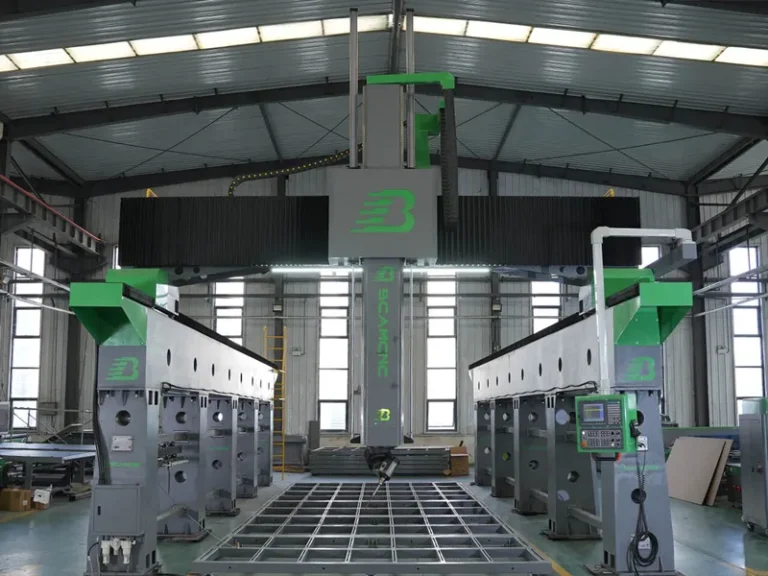
A large boat hull mold begins long before the first cutting tool touches the material. What starts as a digital 3D model must be transformed into a physical shape with accurate curves, smooth transitions, and consistent dimensions.
For yacht builders and marine mold manufacturers, this process can involve substantial manual work, especially when producing large or complex hull shapes.
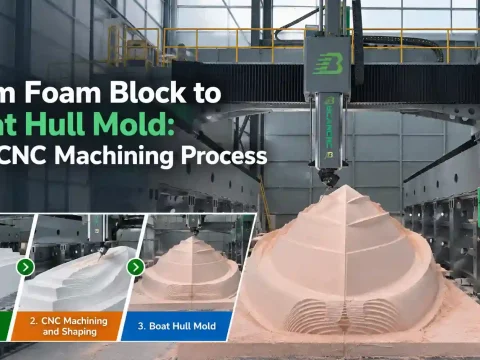
A 5 axis CNC router helps automate much of the shaping process, turning large foam blocks into boat hull patterns that can be prepared for subsequent mold-making operations.
But how does the process actually work?
Step 1: Preparing the 3D Boat Hull Model
The process begins with a digital model of the boat hull.
Designers use CAD software to define the hull geometry, including its overall dimensions, curved surfaces, bow shape, and other structural features.
Before machining, the model must be reviewed to ensure that it is suitable for CNC production.
Important considerations include the available working space, tool accessibility, machining allowances, and whether the hull can be processed as one piece or must be divided into sections.
For large yacht projects, planning these details early can prevent unnecessary adjustments during production.
Step 2: Preparing and Assembling the Foam Blocks
Large boat hull patterns are often produced from EPS foam because it is lightweight, relatively easy to machine, and suitable for creating complex three-dimensional shapes.
Depending on the size of the hull, multiple foam blocks may need to be joined together to form a sufficiently large blank.
The assembled foam must be positioned and secured before machining begins.
Proper preparation matters because movement, weak joints, or insufficient material allowance can affect the final shape.
For oversized projects, the foam structure may also be divided into manageable sections for separate machining and later assembly.
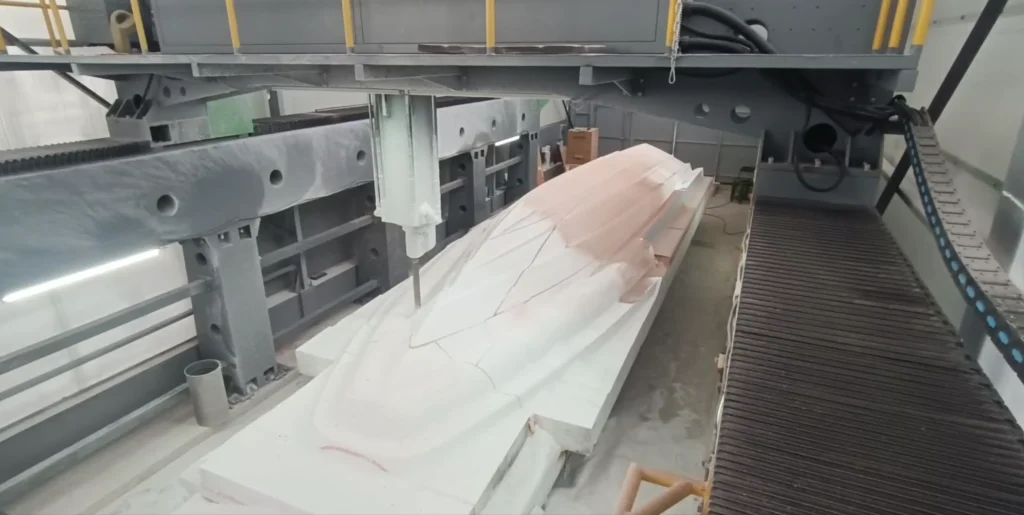
Step 3: Rough Machining the Boat Hull Shape
Rough machining is where the foam blank begins to resemble a boat hull.
Using toolpaths generated through CAM software, the CNC router removes excess material in successive passes.
At this stage, the goal is not to achieve the final surface finish. Instead, the machine removes most of the unnecessary foam while leaving sufficient material for the finishing operation.
Large cutting tools and suitable machining strategies can help improve material removal efficiency.
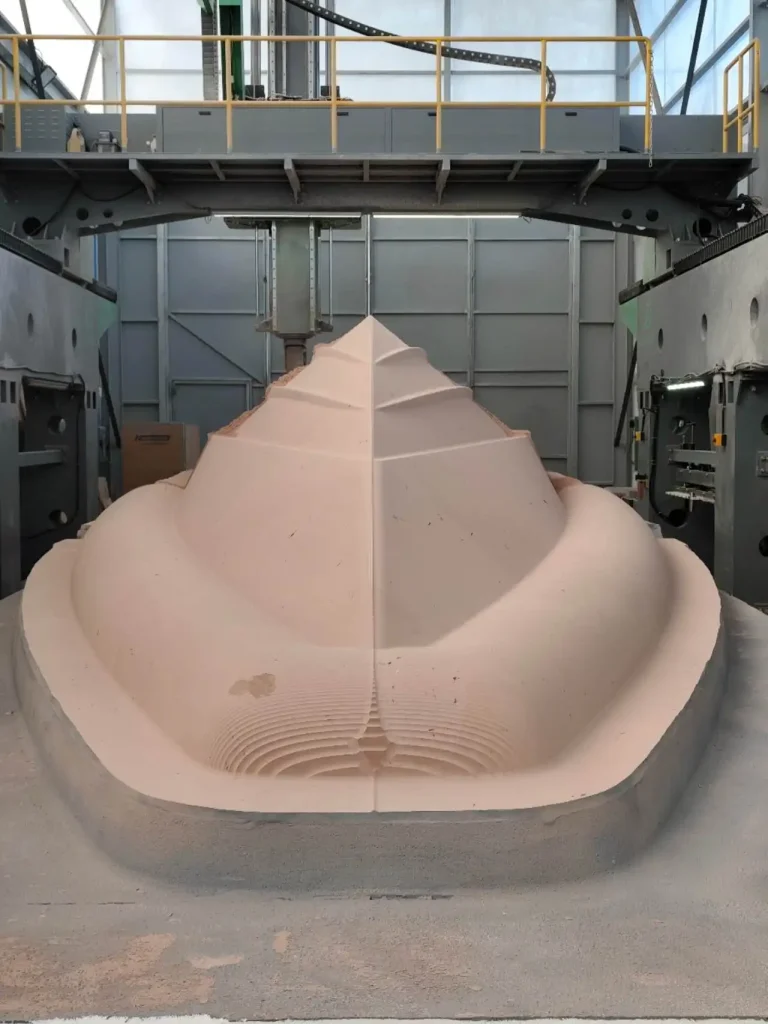
As the process continues, the main hull contours gradually become visible.
The result is a recognizable boat hull shape with stepped surfaces that still require further machining.
Step 4: Finishing Complex Curved Surfaces
Once rough machining is complete, the machine begins refining the hull geometry.
This stage requires closer attention to toolpath spacing, cutting tool selection, and surface transitions.
A 5 axis CNC router can adjust the cutting tool orientation while moving across complex surfaces.
This capability is particularly useful around curved hull sections, steep surfaces, and areas where a fixed vertical tool orientation would limit accessibility.
Appropriate tool orientation can also reduce the need for repositioning the workpiece.
However, the final surface quality still depends on the machining strategy, tool geometry, material properties, and machine stability.
Even after CNC finishing, some sanding or surface preparation may be required.
Step 5: Inspecting and Preparing the Hull Pattern
After machining, the boat hull pattern is inspected against the intended design.
Manufacturers may check key dimensions, surface continuity, symmetry, and areas where separate foam sections connect.
Depending on the mold-making process, the machined foam pattern may then undergo additional operations such as filling, sanding, coating, or surface sealing.
These steps help prepare the pattern for subsequent tooling or composite mold production.
It is important to distinguish between a CNC-machined foam pattern and a finished production mold.
The foam pattern provides the required geometry, but additional materials and manufacturing steps may be necessary before it becomes a usable mold.
Why Use a Large 5 Axis CNC Router for Boat Hull Patterns?
Boat hulls present several challenges for conventional machining methods.
They are often large, highly curved, and difficult to reposition during production.
A properly configured large-format five-axis machine can offer several practical advantages:
- Large working capacity: Accommodates substantial foam blanks and boat hull sections.
- Multi-angle machining: Improves access to curved and inclined surfaces.
- Repeatable toolpaths: Helps reproduce complex geometry from digital models.
- Reduced manual shaping: Automates much of the material removal process.
- Flexible applications: Supports boat hull patterns, yacht plugs, marine tooling, and other large foam models.
These advantages are especially relevant to manufacturers producing custom yacht designs or large composite tooling.
BCAMCNC 5 Axis CNC Routers for Large Marine Molds
BCAMCNC provides large-format five-axis CNC machining solutions for boat hull patterns, yacht molds, and other industrial model-making applications.
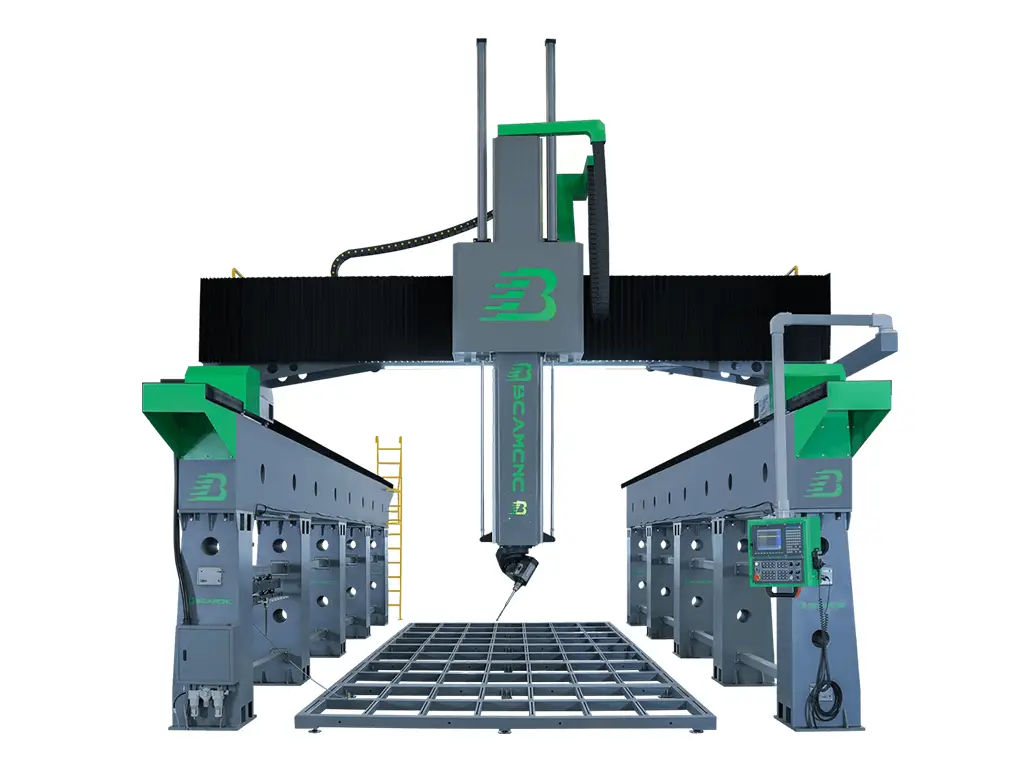
For projects involving oversized foam structures, the BCAMCNC DL Series is designed around large working dimensions and deep machining requirements.
Its gantry-style structure and five-axis cutting capability make it a relevant option for complex marine mold projects where workpiece size and tool accessibility are important considerations.
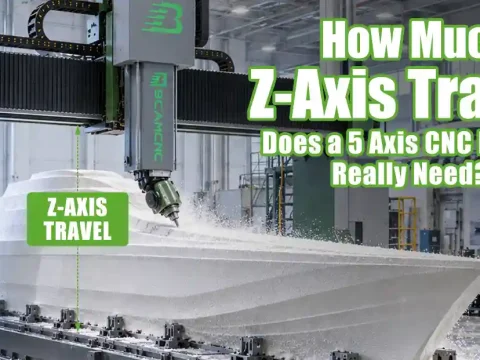
Machine selection should also account for the hull dimensions, required machining depth, material type, and production workflow.
By reviewing these requirements before manufacturing, BCAMCNC can help customers identify a suitable five-axis configuration for their projects.
From Digital Design to Physical Boat Hull
Turning a foam block into a boat hull pattern involves more than simply running a CNC program.
Each stage—from digital modeling and foam preparation to rough machining, finishing, and surface inspection—contributes to the final result.
For marine manufacturers, the right machining process can reduce manual shaping work and make complex hull geometry easier to reproduce.
Planning a boat hull or yacht mold project? Share your 3D model, material, and workpiece dimensions with BCAMCNC to discuss a suitable large-format 5 axis CNC router.
Frequently Asked Questions
What material is commonly used for CNC boat hull patterns?
EPS foam is widely used because it is lightweight and easy to shape. Other modeling and tooling materials may be selected according to the project’s requirements.
Can a 5 axis CNC router machine an entire boat hull?
It depends on the machine’s working dimensions and the size of the hull. Large projects may require sectional machining and assembly.
Why is five-axis machining useful for boat hull molds?
Five-axis movement allows the cutting tool to approach complex curved surfaces from different orientations, improving accessibility and machining flexibility.
Does a CNC-machined foam boat hull need manual finishing?
Often, yes. Sanding, filling, coating, or other surface preparation may be required depending on the intended mold-making process.