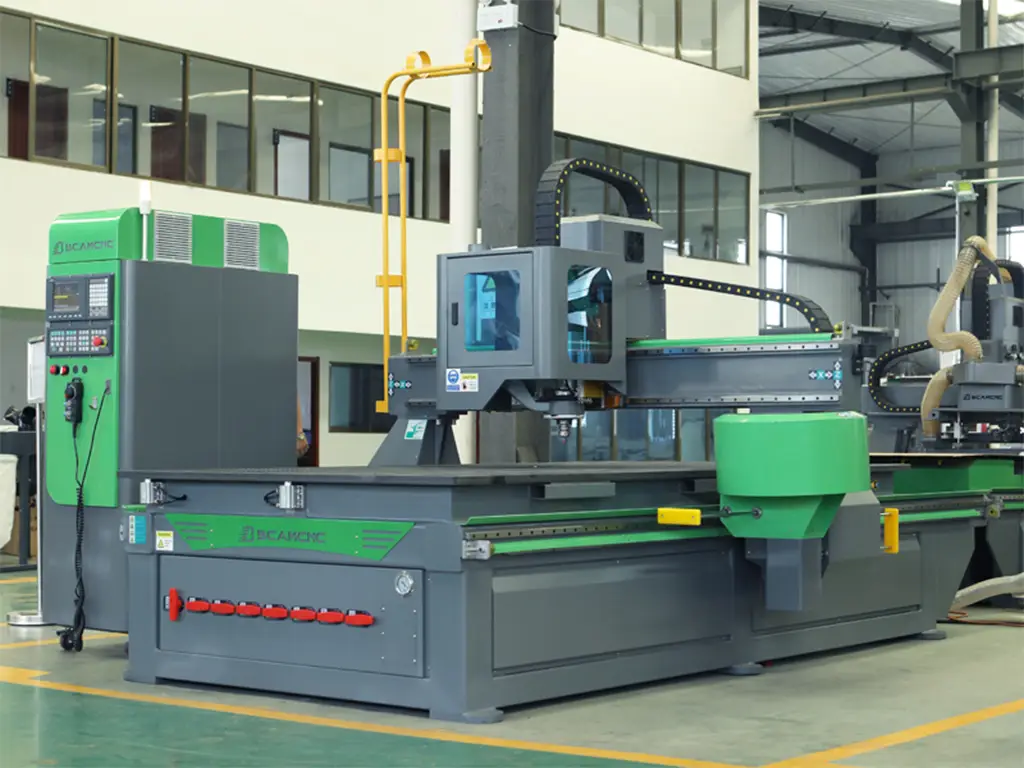
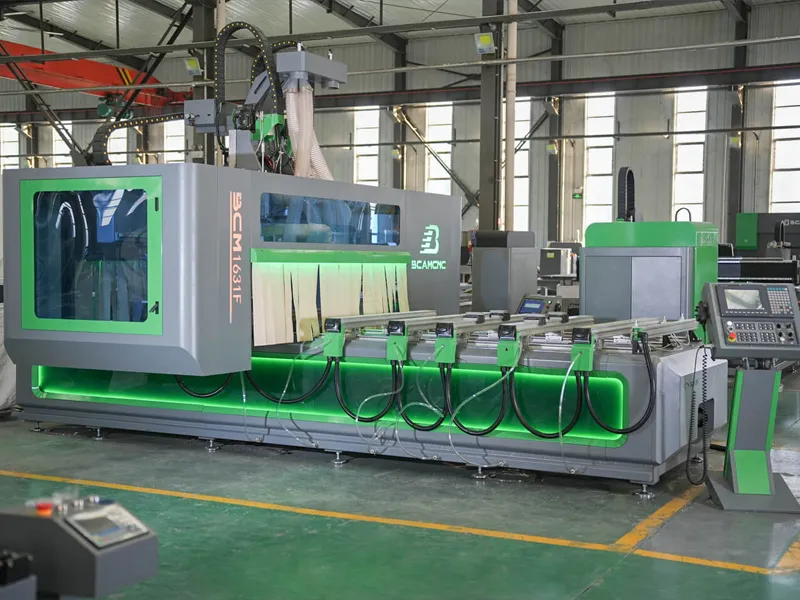
Learn the main factors that affect CNC router machine accuracy, including machine structure, configuration, cutting tools, table flatness, and proper maintenance. BCAMCNC explains how quality engineering ensures long-term precision for every CNC router.
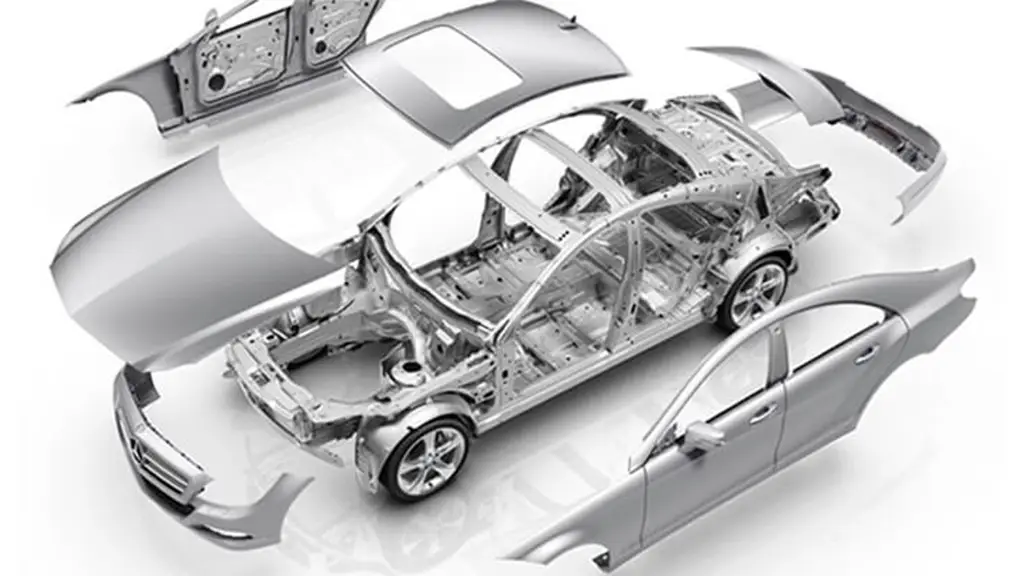
Fiber laser cutting has become a core technology in today’s automotive industry, enabling manufacturers to produce body panels, interior components, engine parts, and electronic modules with unmatched precision. From high-volume production to custom aftermarket solutions, fiber lasers deliver the accuracy, speed, and flexibility required in modern vehicle manufacturing. This article explores how the technology enhances each stage of automotive production and why more automakers are integrating advanced fiber laser systems into their workflows.
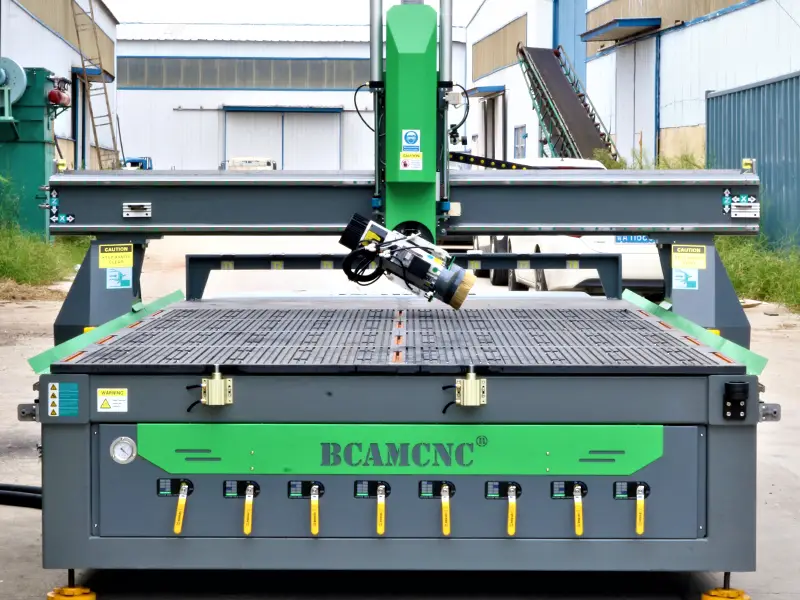
A 4 axis CNC router gives your shop more freedom, smoother 3D work, and cleaner angled cuts. With its rotating spindle and stable structure, it helps woodworkers and manufacturers create complex shapes with higher accuracy and less manual work. This guide explains how it works and why many workshops now choose a 4 axis CNC router to upgrade production.
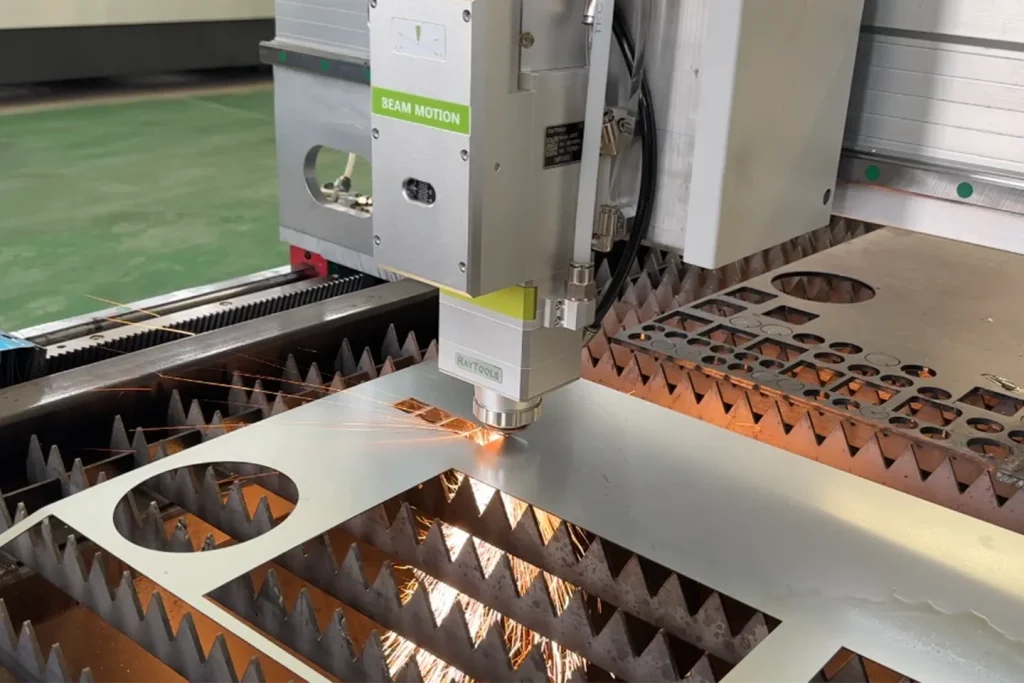
The power of a fiber laser cutting machine directly affects cutting quality, speed, and overall productivity. This guide explains how to match laser power to the steel thickness you work with most often, ensuring consistent performance and long-term efficiency—plus how BCAMCNC supports manufacturers with fiber laser systems up to 60 kW.
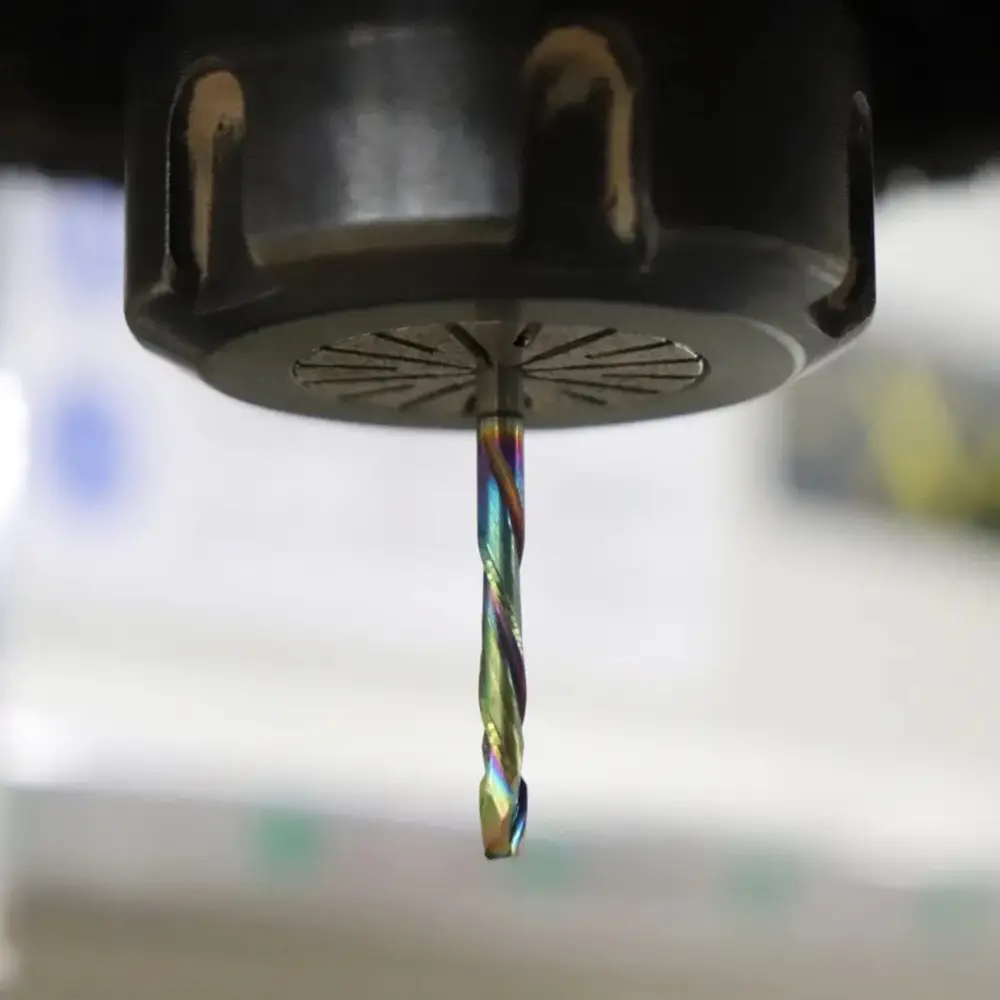
Learn how to choose the right CNC router bit for wood, plastic, and aluminum. Understand feeds, speeds, and materials to get cleaner cuts with BCAMCNC.
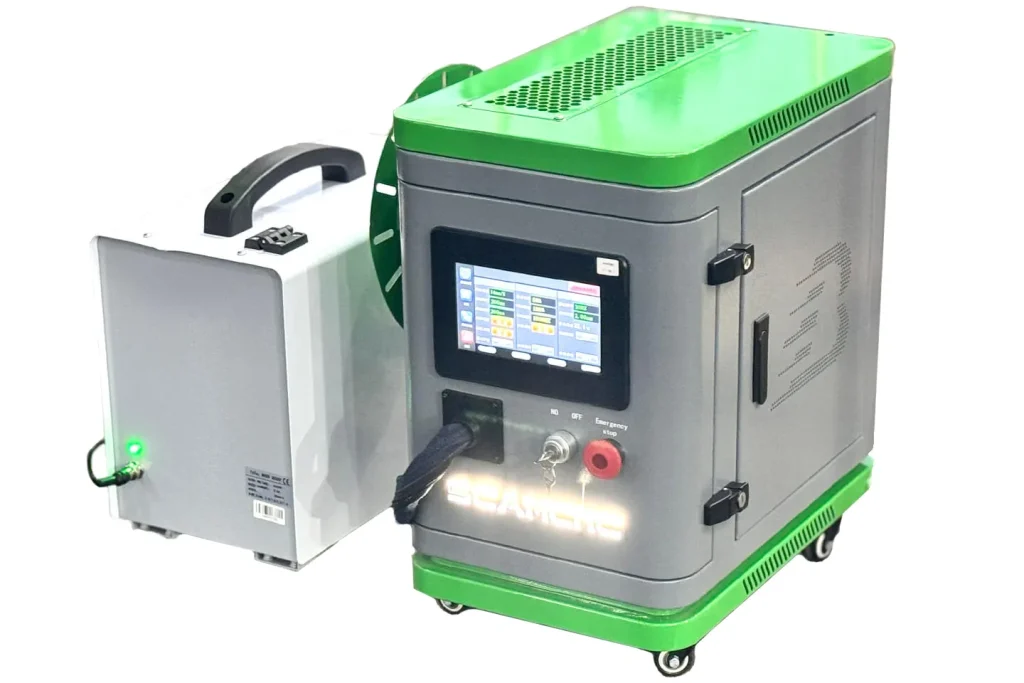
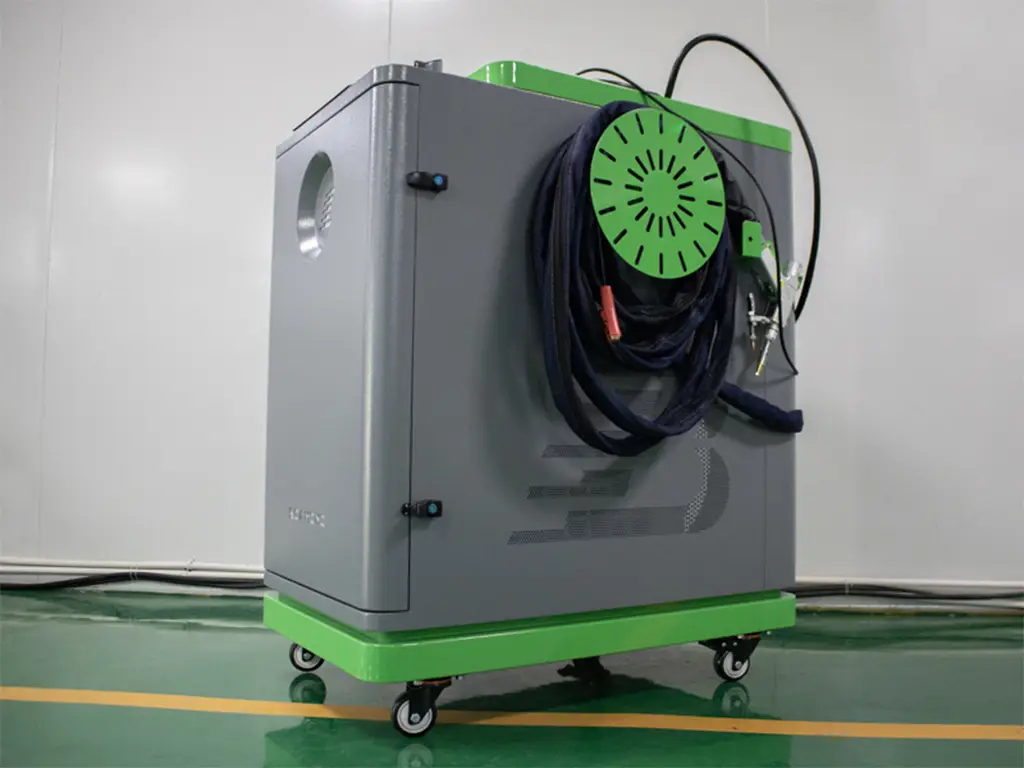
Laser welding aluminum requires careful surface preparation, optimized parameters, and the right equipment. This guide from BCAMLASER shares best practices to improve weld quality, reduce defects, and enhance productivity for industrial and fabrication applications.
Upgrade your cabinet production with CNC technology. Discover how BCAMCNC routers improve speed, accuracy, and customization for modern woodworking shops. Learn the benefits, key features, and tips to take your cabinet-making workflow to the next level.
Traditional welding methods often struggle with aluminum’s high thermal conductivity and sensitivity to heat. Laser welding solves these limitations with superior precision, minimal distortion, and faster processing speeds. This article explores how laser welding outperforms TIG, MIG, and resistance welding, and why more manufacturers are switching to advanced fiber laser systems for aluminum applications.
Laser welding aluminum presents unique difficulties due to its oxide layer, rapid heat dissipation, and high reflectivity. In this practical guide, BCAMLASER shares real-world insights and proven techniques to help fabricators achieve stable penetration, cleaner welds, and consistent performance when working with aluminum.