Thermoformed plastic parts rarely remain flat after forming. They may include curved surfaces, sloped sidewalls, raised sections and openings positioned at different angles. These features can make trimming difficult with conventional cutting equipment.
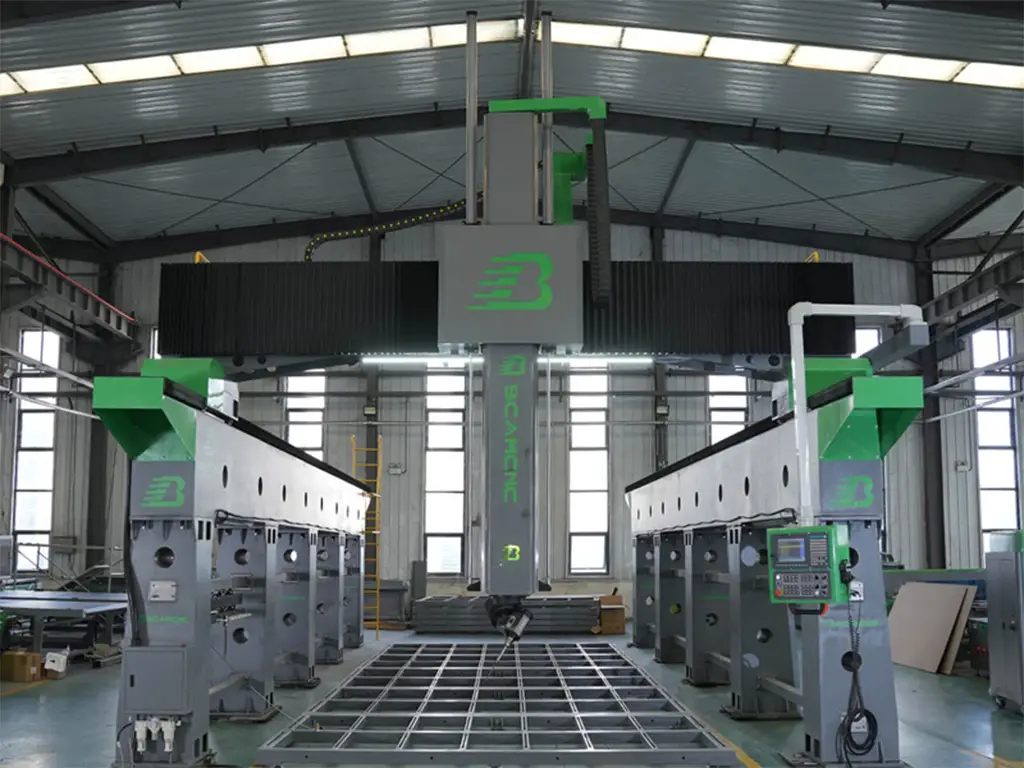
A 5-axis CNC router allows the cutting tool to approach the part from different directions. Depending on the part geometry and fixture design, it can complete edge trimming, hole cutting and angled openings with fewer manual repositioning steps.
Why Thermoformed Parts Need Multi-Angle Machining
After a plastic sheet is heated and formed over a mold, excess material normally remains around the edge. The finished component may also require mounting holes, ventilation openings, windows or other cutouts.
A three-axis CNC router works well when the required cuts can be reached vertically. However, holes or edges located on angled sidewalls may require the part to be repositioned.
A 5-axis CNC router can adjust the angle of the cutting tool as it moves around the component. This makes it suitable for parts where the machining path follows a curved or three-dimensional surface.
Typical Thermoformed Plastic Machining Tasks
A properly configured 5-axis CNC router may be used for:
- Trimming excess material around formed edges
- Cutting doors, windows and ventilation openings
- Machining holes on sloped or curved surfaces
- Producing slots and assembly features
- Finishing plastic prototypes and production parts
Whether these operations can be completed in one setup depends on the part shape, fixture, tool access and required tolerances.
Materials That Can Be Evaluated
Thermoformed parts are produced from different plastics, including ABS, acrylic, polycarbonate, PVC and other sheet materials. Each material behaves differently during routing.
Some plastics may soften when excessive heat develops at the cutting edge. Others may chip if the tool geometry or cutting parameters are unsuitable. Material thickness, surface coating and forming quality can also affect the result.
For this reason, spindle speed, feed rate, tool selection and chip removal should be evaluated with the actual material. A sample cutting test is often the most reliable way to confirm edge quality.
Workholding Is Part of the Process
The formed component must remain stable while the router follows its outer edges and sidewalls. Unsupported areas may flex under cutting pressure, which can affect dimensions and surface finish.
Vacuum fixtures, shaped supports or dedicated jigs can be used according to the component. The fixture should support the part without blocking the required tool paths.
Before selecting a machine, manufacturers should consider the complete process rather than the router alone. Part loading, positioning, workholding and unloading all influence production efficiency.
What to Check Before Choosing a Machine
The largest part dimensions are only the starting point. The machine must also provide enough space for the fixture, tool length and movement of the five-axis head.
The following information helps BCAMCNC evaluate a suitable 5-axis CNC router configuration:
- 3D drawing or CAD model
- Finished part dimensions
- Plastic type and thickness
- Location of edges, holes and cutouts
- Required tolerance and surface quality
- Expected production volume
- Current trimming or machining method
With this information, the working area, spindle, control system, fixture concept and other machine options can be discussed around the actual application. Final performance should be confirmed through technical evaluation and, where possible, a sample test using the customer’s material.
A Practical Solution for Complex Plastic Parts
A 5-axis CNC router can provide a more flexible way to trim thermoformed components with curved surfaces and features positioned at different angles. Its value is especially clear when a part requires more than simple vertical cutting.
The right solution depends on the part, material and production target. Send BCAMCNC your part drawing, material information and processing requirements to discuss a suitable machine configuration and sample machining plan.