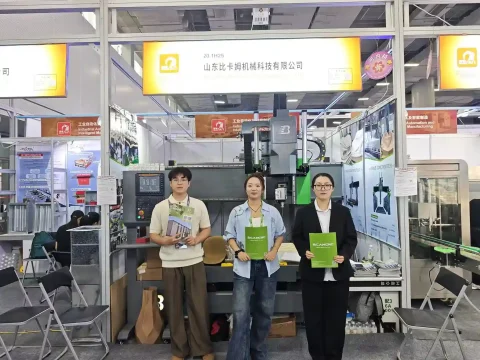
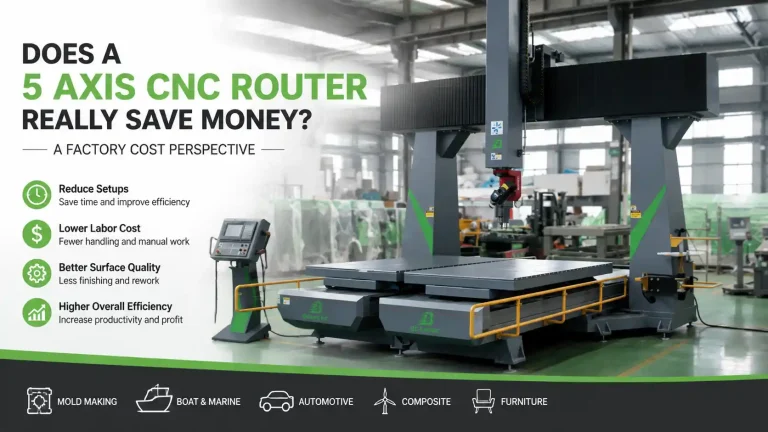
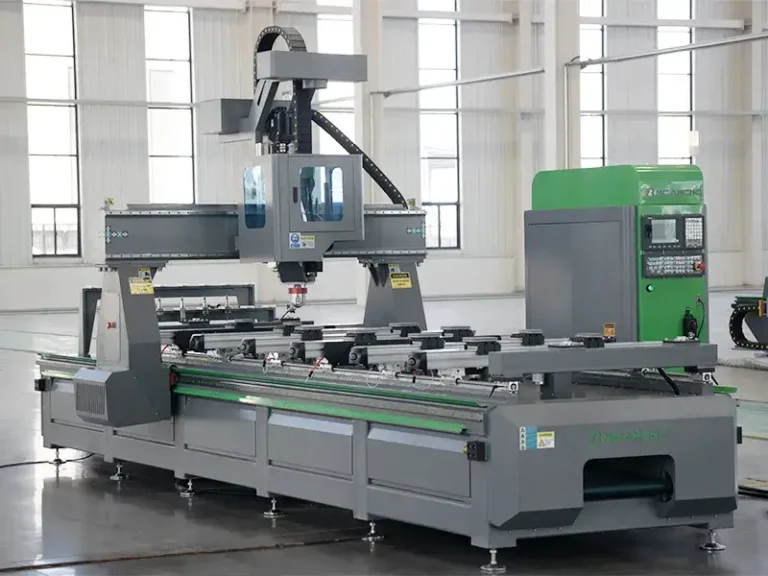
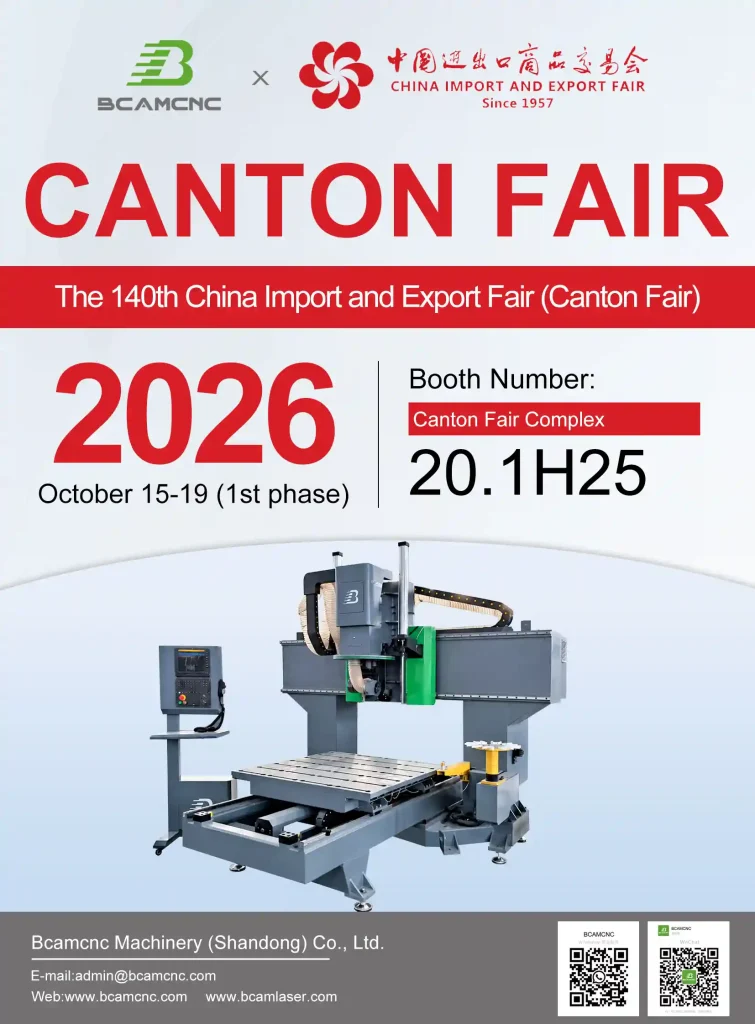
BCAMCNC is displaying a 5 axis CNC router at the Canton Fair, China Import and Export Fair Complex, Guangzhou, China, at booth 20.1 H25 during Phase 1, October 15–19, 2026. For buyers, the useful question is how to evaluate that machine against the parts they actually need to produce.
The 140th Canton Fair, Autumn session, runs October 15 – November 4, 2026, in three phases. BCAMCNC exhibits in Phase 1, covering advanced manufacturing and processing machinery equipment.
A productive booth visit should connect your workpiece requirements with a proposed machine configuration, a machining approach and an acceptance plan. These checks help turn a short conversation into a useful technical assessment.
Start with Your Workpiece and Machining Requirements
Bring a representative drawing or CAD file. Include the material, finished dimensions, critical surfaces, required tolerances and the operations that currently cause difficulty. These details give the supplier a practical basis for assessing your application.
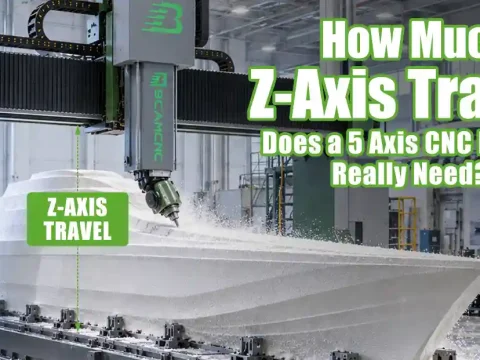
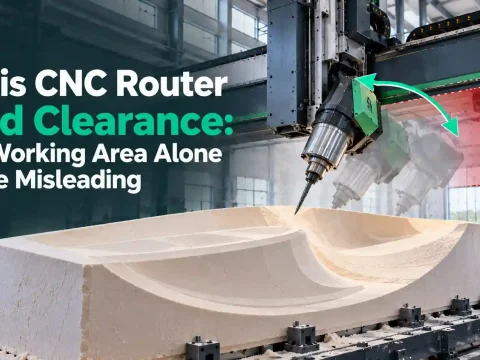
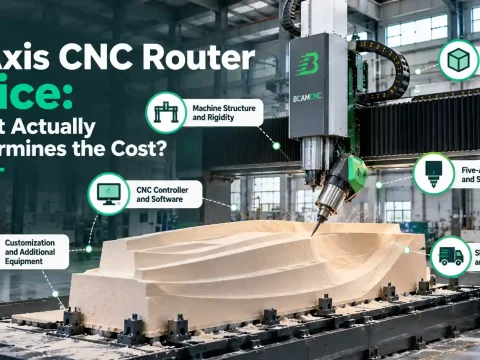
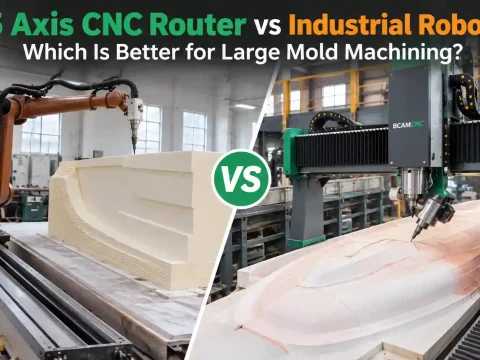
How do you choose a 5 axis CNC router for large mould making? Start by checking whether the machine can reach the required surfaces while accommodating the cutter, spindle head, fixture and workpiece. Nominal working dimensions alone do not establish whether every feature is accessible.
BCAMCNC offers configurable working areas, with typical ranges of 1300×2500 mm and 2000×3000 mm, up to 4000×10000 mm. Discuss these dimensions alongside the usable machining envelope and proposed workholding arrangement.
Also explain how the part enters and leaves the machine. Loading access, fixture height and the orientation of a large mould can influence the practical layout of the installation.
Understand Simultaneous Machining and RTCP
When evaluating a 5 axis CNC machining centre, distinguish indexed machining from simultaneous five-axis movement. Ask which approach suits your part and where continuous changes in tool orientation are necessary.
BCAMCNC supports five-axis simultaneous machining with RTCP, or Rotational Tool Centre Point. RTCP helps coordinate movement around the programmed tool centre point as the rotary axes change orientation. Its value should be discussed in relation to an actual machining task.
Follow the process from CAD geometry to cutting. Ask which CAM and postprocessor arrangements require confirmation, how tool length is handled and how the workpiece coordinate system is established.
A representative curved or angled feature provides a useful starting point. Ask the supplier to explain the tool approach, potential access restrictions and proposed setup. This reveals more about application suitability than watching the machine move without a defined workpiece requirement.
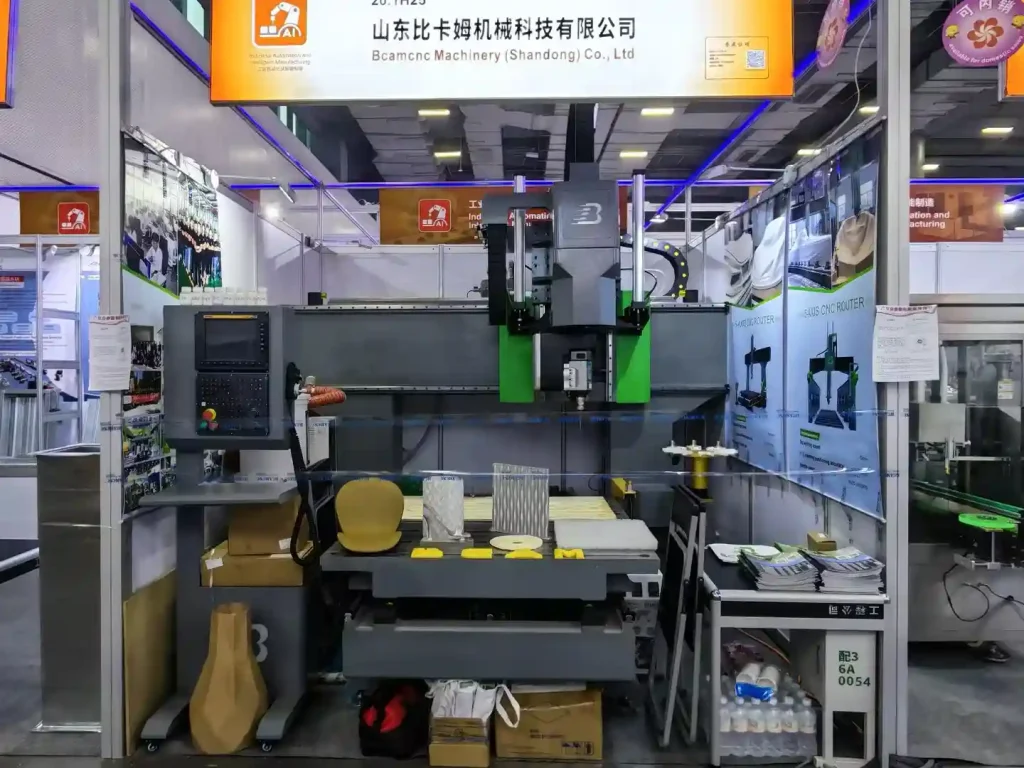
Use a Consistent Show-Floor Evaluation Checklist
Ask each supplier the same core questions and record the answers. Separate what you have seen demonstrated from what still requires a drawing review, machining trial or written confirmation.
| What to Check | What to Ask or Bring | What to Record |
|---|---|---|
| Workpiece access | Bring a CAD file showing deep areas, angled surfaces and fixture locations. | Accessible features and any proposed repositioning. |
| Five-axis operation | Ask how simultaneous machining and RTCP apply to your part. | Proposed tool orientation and programming requirements. |
| Material suitability | Identify the exact material and required surface condition. | Recommended configuration, tooling and extraction requirements. |
| Controls and components | Request the configuration proposed for your application. | Included components, optional selections and unresolved details. |
| Acceptance testing | Propose a representative test part and inspection method. | Criteria to agree before ordering. |
| Commissioning and support | Describe your programming and maintenance capabilities. | Training scope, remote support arrangements and responsibilities. |
The purpose is to identify which proposal addresses your production requirements with the clearest technical evidence. Any unresolved question should become a specific follow-up item.
Match the Configuration to the Material
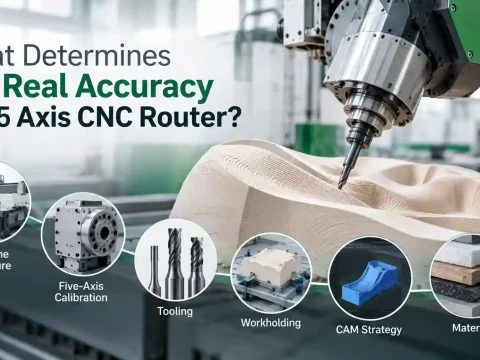
BCAMCNC’s material range includes wood, foam, tooling board, carbon fibre, fibreglass, resin, plastics and aluminium. These materials place different demands on the machining process, so each requirement should be assessed individually.
A configuration proposed for foam moulds should be reviewed separately from one intended for aluminium or composite machining. Discuss the spindle head, tooling, workholding, extraction and finishing requirements for the material you actually use.
BCAMCNC configurations include Hiteco, HSD or BCAMCNC five-axis spindle heads, with SYNTEC control as standard. FANUC, Fagor, Siemens and Weihong controls are optional. Component selections include Yaskawa servo motors, Hiwin linear guide rails and Schneider electrical components.
Ask why the proposed selections suit your application. Review the BCAMCNC 5-axis CNC router range alongside your part requirements, then request a configuration that clearly identifies included equipment and optional choices.
Use Relevant Projects to Frame Technical Questions
Application references are most useful when they help you investigate challenges similar to your own. Compare material, geometry, tool access and workholding requirements rather than relying only on the appearance or size of a finished part.
Two publicly documented BCAMCNC DL-series projects provide relevant discussion points. One involves a 15-metre yacht hull mould in Greece using high-density foam and composite tooling board. The other involves large automotive mould machining for THACO AUTO in Vietnam.
For a marine tooling project, ask how the proposed setup would accommodate your mould geometry and access requirements. For automotive tooling, focus the discussion on the specific surfaces, material and inspection criteria involved.
These references provide application context. Your own workpiece still needs a technical assessment and an agreed acceptance plan.
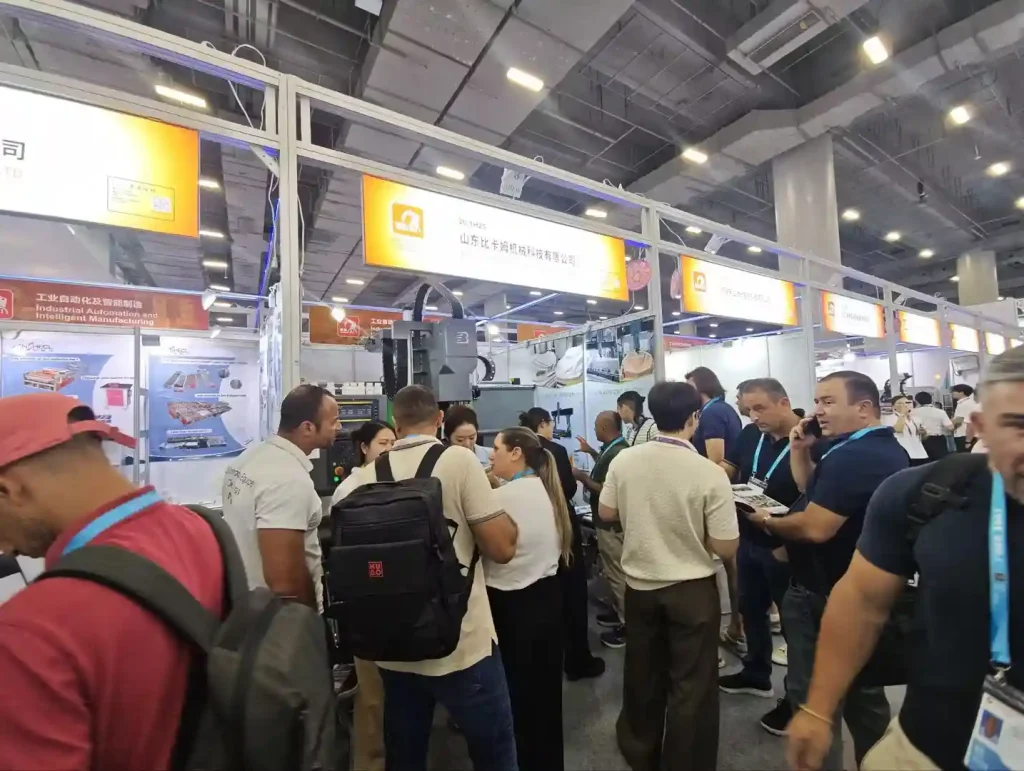
Agree on Acceptance Testing and Support
Before requesting a quote, define what the proposed machine needs to demonstrate. Discuss a representative test part, the material, the surfaces to inspect and the measurement method. Any required tolerances should come from your drawing or agreed production requirements.
BCAMCNC offers factory acceptance testing before shipment, remote commissioning, online training, spare parts supply and lifetime technical support. Clarify the scope of these services and the responsibilities of both teams.
Explain your staff’s experience with programming, operation and maintenance. This helps establish what training and preparation are needed before commissioning.
BCAMCNC (Jinan Bcamcnc Machinery Co., Ltd.) is a Chinese CNC machine manufacturer supplying factory-direct, with CE and ISO 9001:2015 certifications. Request the documentation relevant to the proposed equipment alongside the configuration and acceptance requirements.
Does Every Part Require Simultaneous Five-Axis Machining?
No. Some features can be machined using indexed orientations. Ask which operations require simultaneous movement and which can be completed with the rotary axes held in position.
Can One Configuration Process Foam, Composites and Aluminium?
These materials are within BCAMCNC’s application range, but suitability depends on the selected configuration and process. Confirm each material requirement individually, including tooling, workholding and extraction.
What Should I Bring to the Booth?
Bring a drawing or CAD file, material details, critical dimensions and surface requirements. Photographs of existing fixtures or difficult features can also help explain your production constraints.
Meet BCAMCNC with Your Drawing or CAD File
Visit BCAMCNC at Booth 20.1 H25, Hall 20.1, during Phase 1, October 15–19 2026, at the China Import and Export Fair Complex in Guangzhou, China.
Bring a drawing or CAD file to the booth for a focused application discussion. You can also contact BCAMCNC to arrange a meeting and request a quote for your project.