Waterjet vs. Laser Cutting: Which Is Better for Thick Metal?
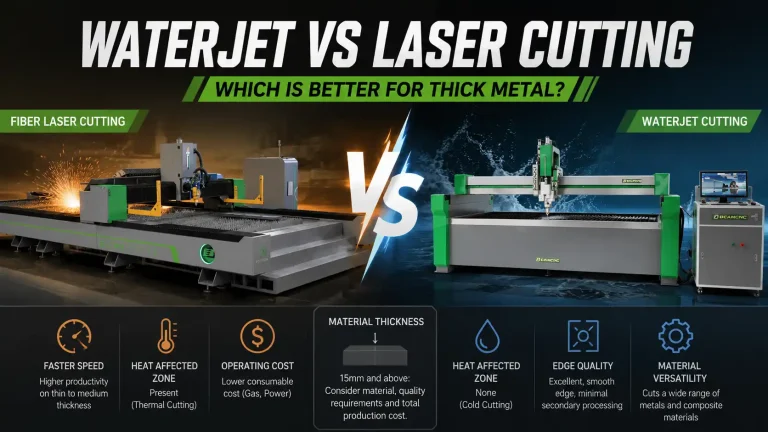
waterjet-vs-fiber-laser-cutting-thick-metal-comparison

When cutting thick metal, speed is only part of the equation. This guide compares waterjet cutting and fiber laser cutting from a real manufacturing perspective, examining heat affected zones, distortion, secondary processing, operating costs, and overall production efficiency.
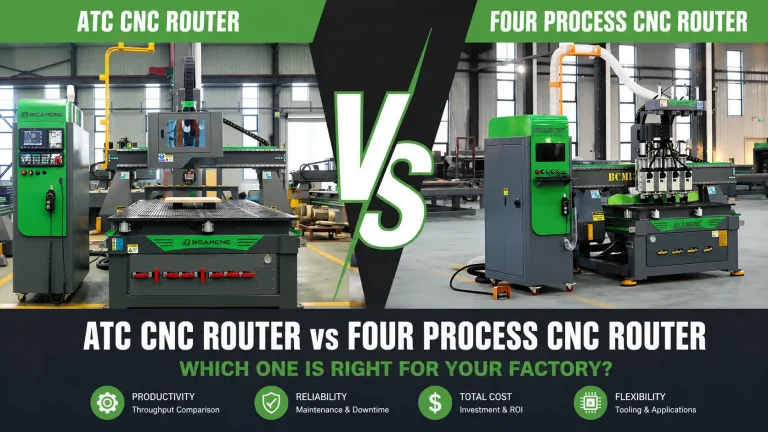
ATC CNC Router vs Four Process CNC Router: Which Is Better?

Choosing between an ATC CNC Router and a Four Process CNC Router is not simply a matter of machine price. This guide examines production workflow, maintenance requirements, hidden costs, and real-world manufacturing scenarios to help furniture factories select the right solution for long-term profitability.

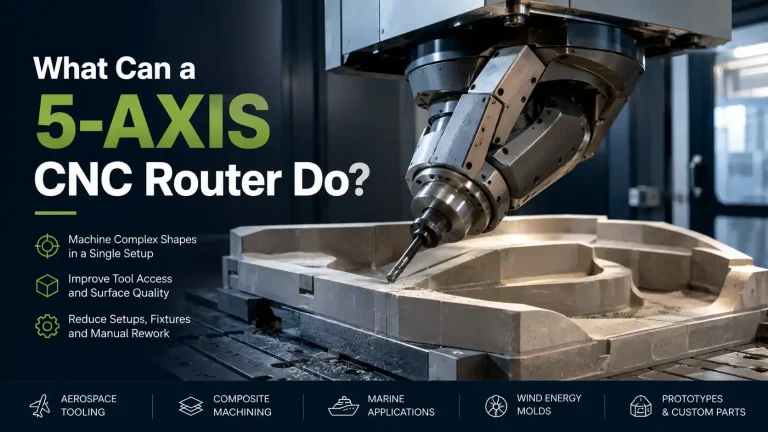
What Can a 5-Axis CNC Router Do?

5-axis-cnc-router-machining-large-mold

What can a 5-axis CNC router actually do on the shop floor? Beyond machining complex shapes, it can reduce setups, improve tool access, and help manufacturers produce molds, composite parts, and prototypes more efficiently. Learn where 5-axis machining delivers real value, what hidden costs to consider, and how to determine whether it is the right investment for your operation.

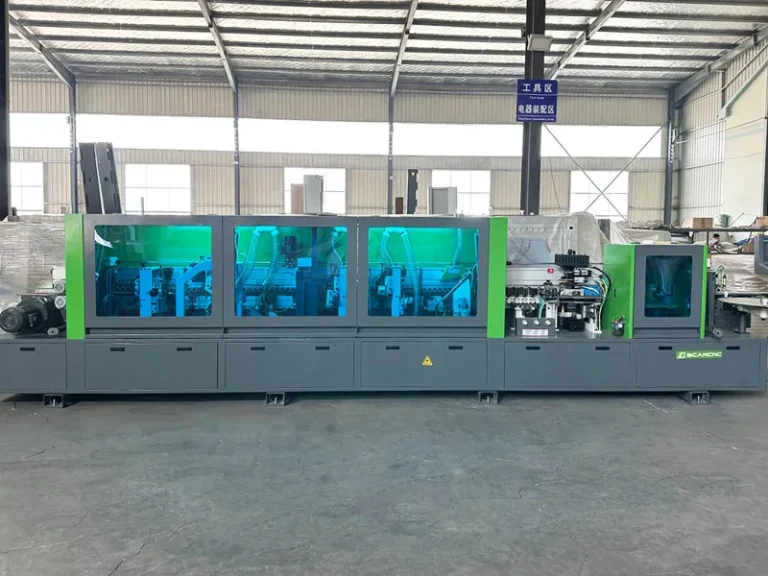
How to Choose the Right Edge Banding Machine for Your Furniture Factory in 2026

wood-furniture-edge-bander-machine-450DJ-2.webp

Many furniture factories focus on feed speed and automation when buying an edge banding machine, only to discover later that setup time, material variation, maintenance, and workflow bottlenecks have a bigger impact on profitability. This guide explains how to evaluate edge banding machines from a real production perspective, helping factory owners, engineers, and purchasing managers make smarter investment decisions in 2026.

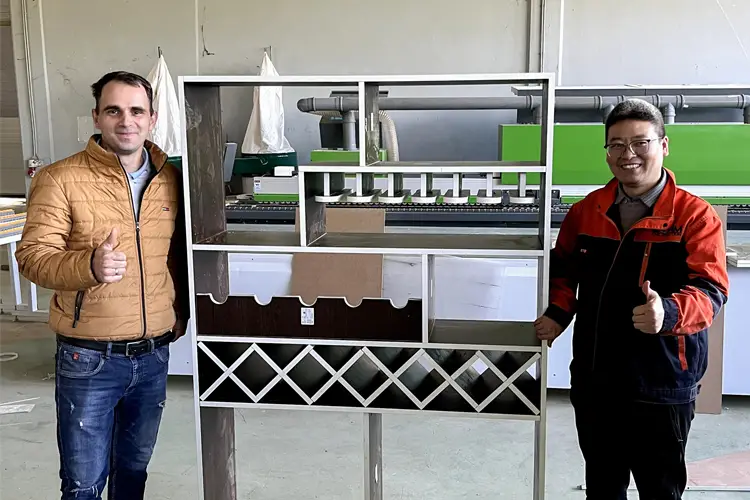
Why European Cabinet Factories Are Moving From Standalone Machines to Full Production Lines

bcamcnc-cabinet-production-line-bosnia-project

Most cabinet factories do not lose efficiency on the CNC router itself. They lose it between processes. This European cabinet production project built with BCAMCNC equipment shows why more manufacturers are moving from standalone woodworking machines to coordinated production lines. From six-sided drilling and curved edge banding to membrane pressing and automated material handling, the real challenge is no longer cutting speed — it is production rhythm, process stability, and reducing hidden labor costs caused by rework, material confusion, and workflow interruption.

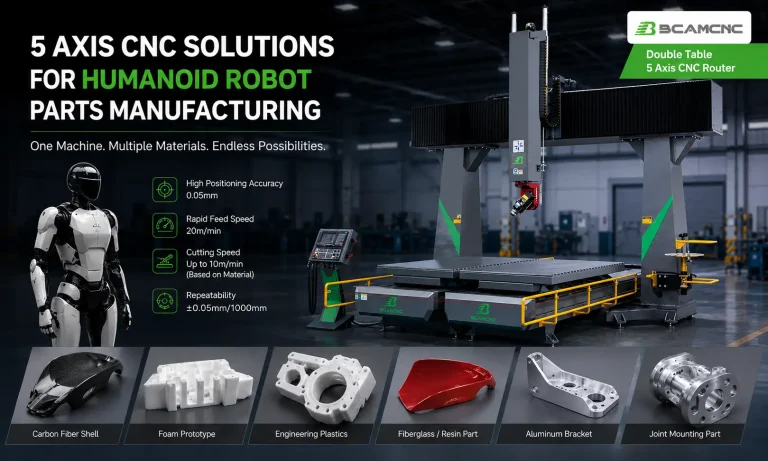
5 Axis CNC Solutions for Humanoid Robot Component Manufacturing

BCAMCNC_Humanoid_Robot_Banner

As humanoid robot development moves from concept design to physical production, manufacturers face growing demand for multi-material machining, rapid prototyping, and complex curved component processing. This article explores how BCAMCNC 5 axis CNC routers are used for machining robot arm shells, torso covers, joint mounting structures, foam prototypes, engineering plastics, composite molds, and lightweight aluminum components in modern humanoid robot manufacturing workflows.